
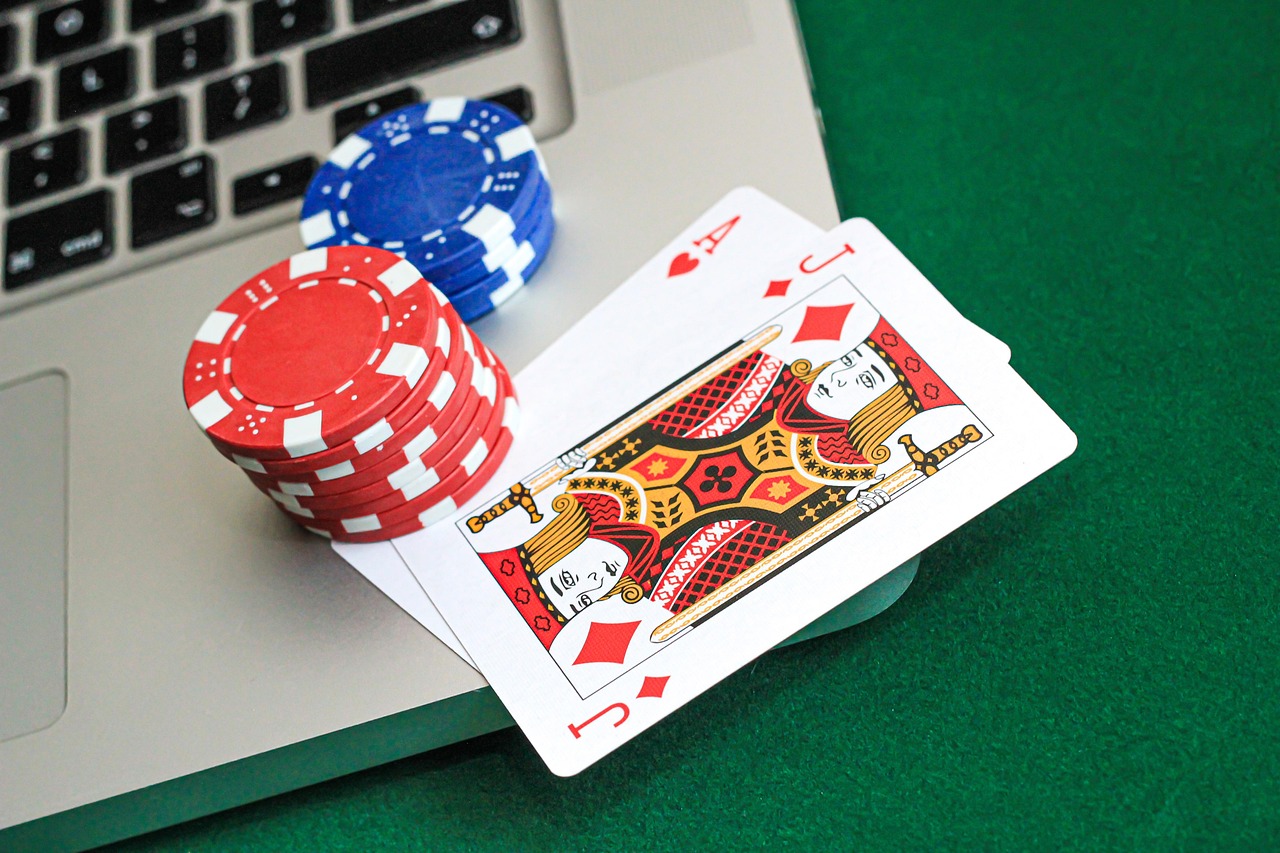
Most players lose money in iGaming for one boring reason: they make decisions based on feelings instead of numbers. The slots feel hot. The table feels cold. The dealer just switched and the shoe is "due." None of that is real. What is real is variance, house edge, and the handful of variables you can actually control. Get those three straight and you will not magically beat the casino, but you will stretch your bankroll, avoid the worst traps, and enjoy the whole thing a lot more.
House Edge Is the Only Number Casinos Can't Hide
Every game on a casino floor is priced. The price is the house edge, and it is expressed as a percentage of every dollar wagered that the house expects to keep over the long run. Over a few spins, anything can happen. Over a million spins, that percentage grinds you down like a slow tide.
Compare the major categories and the differences stop being academic:
- Blackjack (basic strategy): roughly 0.5% house edge. The best mainstream table game if you learn the chart.
- Baccarat (banker bet): about 1.06%, with the player bet at 1.24% and the tie at a brutal 14%+.
- Craps (pass line with full odds): 1.41% before odds, and the odds bet itself carries zero house edge.
- European roulette: 2.7% on every bet. American roulette doubles the zeros and jumps to 5.26%.
- Slots: typically 2% to 12%, and often higher on progressive jackpot games.
- Video poker (Jacks or Better, perfect play): 0.46% with the right pay table.
Notice something? That list is a cheat sheet. If you are going to play tables, play the ones with a single zero, learn basic strategy, and take the free odds in craps. Those choices alone cut your expected losses by more than any betting system ever invented.
Slot Volatility: Why Your Favorite Game Eats $200 Fast
Slot players talk about RTP (return to player) like it is the whole story. It is not. RTP tells you the long-run payback percentage, usually between 94% and 97% online. Volatility tells you how that payback arrives — in a steady drip or in rare explosions.
Here is the practical translation:
- Low volatility: frequent small wins, slow drain. Good for long sessions on a small budget.
- Medium volatility: the balanced middle ground most players actually want.
- High volatility: long dry spells punctuated by huge hits. A slot with a 10,000x max win will regularly eat 300 spins before paying anything meaningful.
A slot with 96% RTP and extreme volatility can still wipe a $100 bankroll in ten minutes. A 94% RTP low-volatility game might keep you spinning for two hours on the same $100. Neither is "better." They serve different sessions. Match the game to the money in your pocket and to how long you want to play. สล็อต covers this in more detail.
A bankroll rule that actually works for slots
Decide your bet size by dividing your session bankroll by at least 200. If you have $100, that is $0.50 per spin, not $2. The 200-spin floor gives variance enough room to breathe. Players who spin $2 on a $100 deposit are not gambling — they are buying a lottery ticket with extra steps.
Poker Tells, Bet Sizing, and the Myth of Reading Minds
Poker is the one game in the building where a skilled player can genuinely win long term. It is also the game where the most nonsense gets repeated. Let us clear some of it up.
Tells matter, but not the Hollywood version. A shaking hand does not mean a strong hand — it often means adrenaline, which can come from either end of the spectrum. Reliable tells are more subtle:
- Bet timing. Fast calls and fast checks are often automatic, meaning weak or drawing hands. Instant shoves on the river tend to be polarized.
- Bet sizing consistency. A player who suddenly bets 2.5x their usual amount on the turn is either protecting a strong hand or bluffing with a story they have not rehearsed.
- Attention shifts. Players who stop watching the board and start watching you are usually deciding whether to bluff.
- Stack stacking. Carefully restacking chips into neat piles often signals a big hand and confidence.
But here is the honest truth: bet sizing and position beat tells every single time. A player who understands range advantage, position, and pot odds will crush a table of amateur tell-readers. Focus your study time on preflop ranges and continuation betting frequencies, not on whether someone scratched their nose.
The one number every poker player should know
Pot odds. If there is $100 in the pot and you must call $20 to continue, you are getting 5-to-1, which means you only need about 16.7% equity to break even on the call. Compare that to your estimated outs — nine flush outs on the turn is roughly 19% — and the decision makes itself. No gut feeling required.
Bonuses, Wagering Requirements, and the Fine Print Nobody Reads
Welcome bonuses are marketing. That does not make them worthless, but it does mean you need to read the terms before you accept $500 in "free" money.
The key clause is the wagering requirement. A 100% match up to $500 with a 35x requirement on the bonus alone means you must wager $17,500 before withdrawing a cent of it. If the requirement applies to deposit plus bonus, that number doubles. At a 4% house edge on slots, you can do the math on what the casino expects to keep.
- Look for wagering requirements under 30x, and prefer ones that apply to bonus only, not deposit plus bonus.
- Check game weighting. Slots usually count 100%, but table games often count 10% or less.
- Watch maximum bet rules — betting too large during a bonus can void your winnings entirely.
- Note expiry dates. A 30-day window on a high-wagering bonus is not generous, it is a trap.
Cashback and reload offers are usually better value than big headline match bonuses. A 10% weekly cashback with no wagering requirement is worth more than a $1,000 match you can never clear.
The Bottom Line: Play the Math, Not the Mood
Nobody beats the house edge in slots, roulette, or baccarat over a lifetime. The people who walk away ahead are the ones who understood that going in, set strict limits, and got lucky inside those limits. Poker and sports betting are different animals — skill moves the needle there, but only if you treat it like work, study ranges and closing lines, and track every result honestly.
So here is the practical takeaway. Pick games with the lowest house edge you can tolerate. Size your slot bets to survive at least 200 spins. Learn basic strategy before you sit down at blackjack. Read the bonus terms like a contract, because they are one. And remember that the glowing screen is designed to make you forget all of this — that is the whole business model. Being the player who remembers is already an edge.


Zhon Andarson
Coding is used in almost all aspects of life and work now, be it directly or indirectly. It’s not just for companies in the tech sector. “An increasing number of businesses rely on computer code,
Andro Smith Doe
Coding is used in almost all aspects of life and work now, be it directly or indirectly. It’s not just for companies in the tech sector. “An increasing number of businesses rely on computer code,